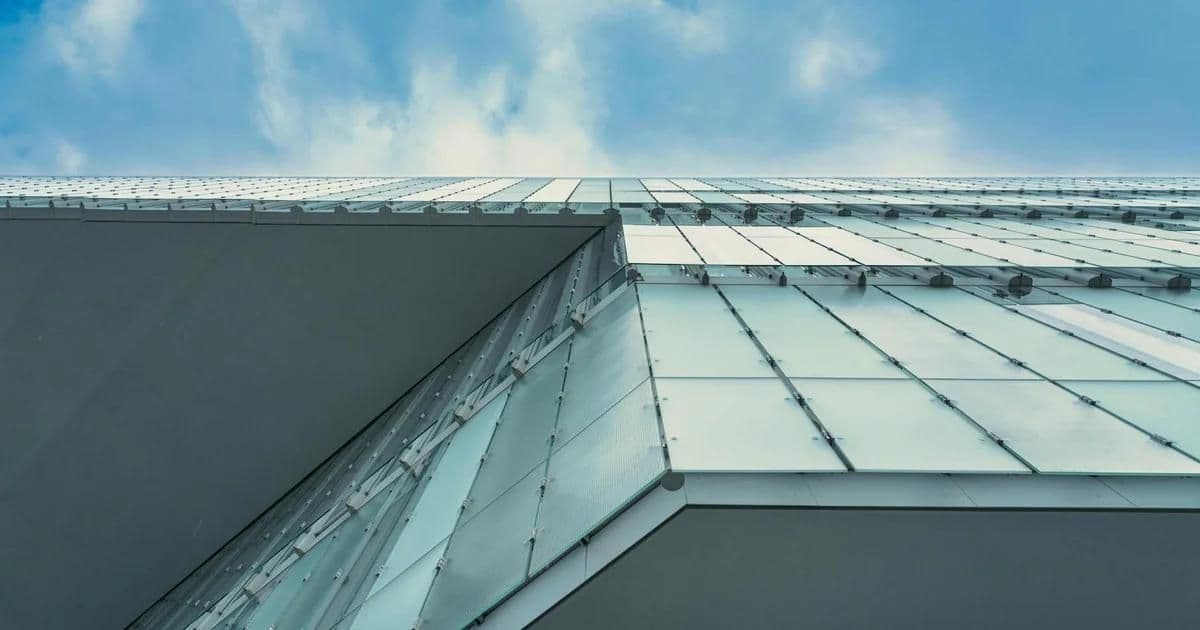
Double Skin Facades: How They Work and When They're Worth It
A double skin facade is one of the most effective — and most misunderstood — building envelope strategies in modern architecture. When done right, it slashes energy consumption, blocks street noise, and gives designers far more freedom with glazing. When done poorly, it becomes an expensive greenhouse. Here's what separates the two outcomes.
What Is a Double Skin Facade?
A double skin facade (DSF) is a building envelope system with two layers of glazing separated by an air cavity, typically ranging from 20 cm to over 2 meters wide. The outer skin acts as a weather barrier while the inner skin serves as the primary thermal envelope.
Think of it as a building wearing a glass jacket. That jacket traps a layer of air — and that trapped air does most of the heavy lifting.
The concept isn't new. Victorian-era conservatories used a similar principle. But contemporary DSF systems are engineered with precision: motorized louvers, automated ventilation controls, and integrated shading devices that respond to real-time weather data.
Three main configurations exist:
- Box-window type — each window unit has its own sealed cavity, floor by floor. Simple to maintain, limits fire spread between floors.
- Corridor type — the cavity runs continuously along each floor but is divided horizontally. Allows maintenance access through walkable corridors.
- Multi-story type — the cavity spans multiple floors or the full building height. Maximum stack effect for natural ventilation, but requires careful fire safety planning.
The configuration you choose depends on building height, local climate, fire codes, and how much natural ventilation you want to harness.
How It Works: Thermal Buffer and Ventilation
The performance of a double skin facade comes down to two mechanisms: thermal buffering and controlled airflow.
Thermal buffer effect. The air cavity between the two skins acts as insulation. In winter, sunlight heats the trapped air, reducing heat loss through the inner skin. Temperatures in the cavity can sit 10-15°C above outdoor conditions on a cold day, meaning your HVAC system works against a much gentler temperature gradient.
In summer, the system flips. Ventilation openings at the top and bottom of the cavity allow hot air to escape through the stack effect — warm air rises and exits at the top while cooler air enters at the base. This passive ventilation prevents the cavity from overheating.
How airflow is managed:
- Naturally ventilated — openings at top and bottom rely on buoyancy-driven airflow. Lowest cost, works well in moderate climates.
- Mechanically ventilated — fans control airflow speed and direction. More predictable performance, essential in hot or humid climates.
- Hybrid systems — natural ventilation with mechanical backup. Sensors trigger fans when cavity temperatures exceed a set threshold.
Shading integration is the third piece. Blinds or louvers placed inside the cavity are protected from wind and rain, so they last longer and perform better than external shading. They intercept solar radiation before it reaches the inner skin, cutting cooling loads significantly.
The real engineering challenge? Getting the cavity width, vent sizing, and shading controls to work together. A cavity that's too narrow overheats. Vents that are too small can't flush hot air fast enough. Poor shading timing lets solar gain build up before the system responds.
Energy Performance Benefits
This is where double skin facades earn their keep. Published research and post-occupancy studies consistently show measurable energy savings — though the numbers depend heavily on climate, orientation, and how well the system is commissioned.
Heating savings typically range from 20-30% compared to a conventional curtain wall. The thermal buffer reduces heat loss through glazing, and preheated cavity air can be fed into the building's ventilation system.
Cooling savings range from 10-25%, primarily from cavity ventilation and integrated shading intercepting solar gain before it enters occupied spaces.
Key performance factors:
- Orientation matters enormously. South and west facades (in the Northern Hemisphere) benefit most. A DSF on a north facade rarely justifies the investment from energy savings alone.
- Climate zone is decisive. Cold and temperate climates see the biggest heating reductions. Hot-humid climates need aggressive mechanical ventilation to prevent the cavity from becoming a liability.
- Glazing specification for both skins affects everything. Low-e coatings on the inner skin, clear or fritted glass on the outer skin — the combination drives solar heat gain coefficient and U-value.
- Control systems determine real-world performance. Automated louvers and vents that respond to wind speed, solar angle, and cavity temperature outperform static configurations by a wide margin.
You can see DSF systems in action across several modern architecture projects in Istanbul. A well-designed DSF on a commercial building in Istanbul's climate — hot summers, cool winters — can reduce total facade-related energy consumption by 25-35% when optimized for both seasons.
Acoustic Advantages
Noise reduction is often the underrated benefit that tips the decision toward a double skin facade, especially for buildings on busy urban streets or near airports.
A standard double-glazed curtain wall offers roughly 30-35 dB of sound reduction. A double skin facade pushes that to 40-50 dB or more, depending on cavity width and glass thickness.
Why the improvement is so dramatic:
- Mass-air-mass principle. Two separate glass layers with an air gap between them break the sound transmission path far more effectively than a single unit with the same total glass thickness.
- Wider cavity = better low-frequency attenuation. Cavities over 50 cm significantly reduce traffic rumble and aircraft noise — the low-frequency sounds that conventional glazing struggles with.
- Absorptive materials in the cavity (perforated metal panels, acoustic blinds) further dampen sound energy.
For a hospital, recording studio, or luxury hotel facing a highway, this acoustic performance can be the primary design driver rather than a secondary benefit.
One caveat: naturally ventilated cavities with open vents will have reduced acoustic performance when vents are open. If noise control is a priority, operable vent panels with acoustic baffles or a mechanically ventilated closed cavity may be necessary.
Design Possibilities
Beyond performance, double skin facades unlock architectural possibilities that single-skin systems simply can't match.
Maximized glazing ratios. Because the outer skin handles weather protection and the cavity manages thermal performance, the inner skin can be almost entirely glass. Floor-to-ceiling transparency without the energy penalty.
Natural ventilation in tall buildings. Opening windows on a 30-story tower is normally impractical — wind loads and pressure differentials make it uncomfortable or dangerous. A DSF's outer skin shields the cavity from wind, allowing operable inner windows even at height. Occupants get fresh air without papers flying off desks.
Visible sustainability. The layered facade reads as a deliberate environmental strategy. Visible blinds, louvers, and the depth of the cavity communicate that the building's performance was designed, not just decorated.
Creative cavity use:
- Walkable maintenance corridors that double as fire escape routes
- Planted cavity zones with climbing vegetation for biophilic effect
- LED or projection surfaces on the outer skin for media facades
- Photovoltaic panels integrated into the outer skin or shading devices
Material freedom on the inner skin. Protected from direct weather exposure, the inner skin can use materials that wouldn't survive outdoors — timber frames, fabric panels, operable folding systems. Even natural stone cladding can be used on the inner layer in ways that wouldn't be feasible as a standalone exterior finish.
The double skin approach is particularly effective for heritage renovations where the original facade needs preservation. A new outer glass skin wraps the existing building, creating the thermal buffer while leaving the historic facade untouched and visible.
Cost and ROI Considerations
No point dancing around it — double skin facades are expensive. They are significantly more expensive than a high-performance single-skin curtain wall, and for a mid-rise commercial building that means a meaningful premium across the facade area, depending on complexity.
Where the money goes:
- Additional glazing layer and its supporting structure
- Wider structural brackets to span the cavity depth
- Automated controls — motorized louvers, sensors, building management system integration
- Maintenance access provisions — walkways, cleaning systems for four glass surfaces instead of two
- Engineering and commissioning — DSF systems need careful CFD modeling and post-installation tuning
Payback period for energy savings alone typically falls between 12-20 years on a commercial building. That's long. But the calculation changes when you factor in:
- Reduced HVAC plant size. Lower peak cooling loads mean smaller chillers, smaller ductwork, lower capital cost for mechanical systems.
- Acoustic performance eliminating the need for separate sound insulation measures.
- Natural ventilation reducing mechanical ventilation run hours and associated energy.
- Rental premiums. Class-A office space with natural ventilation and superior acoustic comfort commands noticeably higher rents in most markets.
- Green building certification points (LEED, BREEAM) that unlock tax incentives or planning benefits. Pairing a DSF with sustainable building materials strengthens the certification case further.
When is a DSF worth the investment?
- Commercial buildings over 8-10 stories where natural ventilation would otherwise be impossible
- Sites with high noise exposure where acoustic performance is non-negotiable
- Prestige projects where the design statement justifies the premium
- Hot-arid or temperate climates where the thermal buffer works both seasons
- Buildings targeting top-tier sustainability certification
When it's probably not worth it:
- Low-rise buildings where operable windows and external shading achieve similar results at lower cost
- Tight budgets where the same spend on better insulation and a high-performance single skin yields more energy savings for the money
- Humid tropical climates where cavity overheating and condensation risks are severe
FAQ
How long does a double skin facade last? The outer skin typically lasts 30-40 years before reglazing is needed. Mechanical components — louvers, actuators, sensors — have shorter lifespans of 15-20 years and should be budgeted for replacement. The structural framework itself can last the lifetime of the building with proper maintenance.
Does a double skin facade increase fire risk? The cavity can act as a chimney if not properly designed. Building codes in most jurisdictions — including Turkey's earthquake-resistant design regulations — require fire stops at each floor level (horizontal barriers across the cavity), sprinkler coverage within the cavity, and breakable glass panels for firefighter access. Box-window configurations inherently limit vertical fire spread.
Can a double skin facade be retrofitted to an existing building? Yes, and it's one of the strongest use cases. An outer glass skin can be added to an existing building without disrupting the interior. This approach is common in European heritage renovations where the original facade must be preserved. The new outer skin dramatically improves thermal and acoustic performance.
How do you clean and maintain four glass surfaces? Corridor-type and multi-story configurations include walkable maintenance access within the cavity. Box-window types require access from inside the building for inner surfaces and standard exterior cleaning systems (BMU or rope access) for outer surfaces. Plan for approximately double the cleaning cost of a single-skin facade.
Do double skin facades work in hot climates? They can, but the design must prioritize cavity ventilation over thermal buffering. Mechanically assisted ventilation, high-performance solar shading, and reflective outer glass are essential. In hot-humid climates, condensation management adds another layer of complexity. Istanbul's climate — with both hot summers and cool winters — is actually well-suited for DSF systems.
What is the minimum cavity width for effective performance? For thermal buffering alone, 20-30 cm is sufficient. For maintenance access, a minimum of 60 cm is needed. For walkable corridors that double as ventilation and maintenance paths, 80-120 cm is standard. Wider cavities improve acoustic performance and allow more effective natural ventilation but increase structural costs and reduce usable floor area.
Contactez-nous
Donnons vie à votre projet
Vous planifiez un nouveau projet ? Réalisons votre vision ensemble.