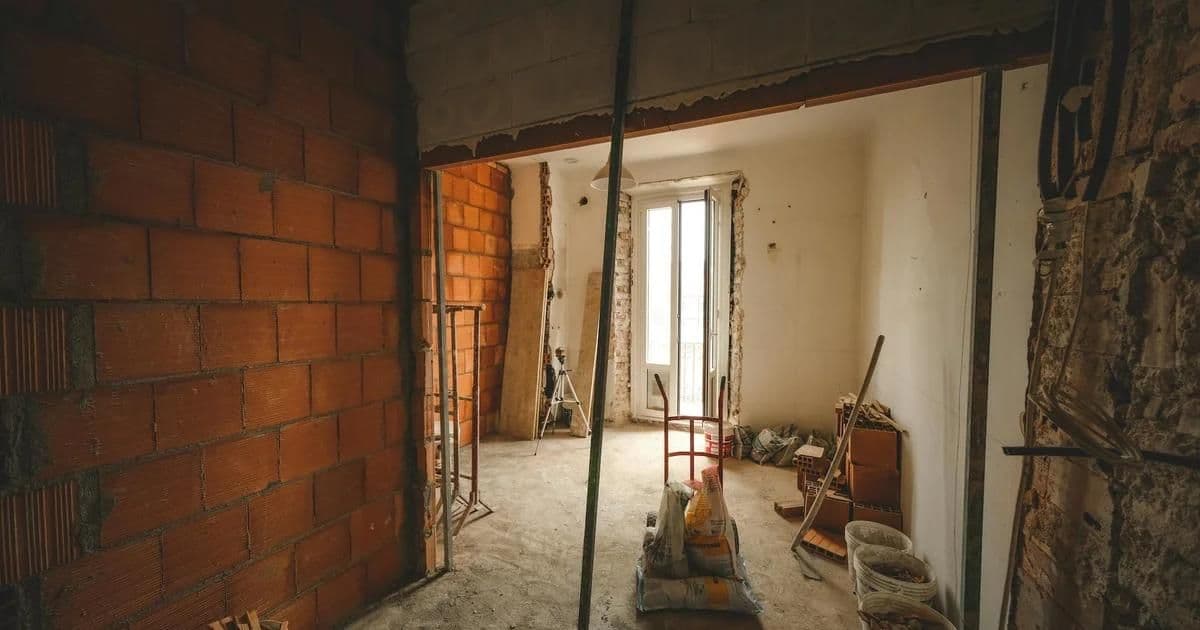
Renovation vs Rebuild: How to Make the Right Decision
Every property owner in Istanbul eventually faces this question: do you renovate what's there, or tear it down and start fresh? The renovation vs rebuild cost comparison isn't straightforward — and getting it wrong can mean significantly overrunning your budget.
Here's the framework we use to help clients make the right call.
The Core Question: Why This Decision Is Harder Than It Looks
On the surface, it seems simple. Renovation costs less, rebuilding gives you exactly what you want. But reality is messier than that.
Renovation keeps the existing structure and updates it — new finishes, reconfigured layouts, upgraded systems. Rebuilding means demolition down to the foundation (or beyond) and constructing something entirely new.
The tricky part? The true cost gap is often much smaller than people expect. A heavy renovation on a 1970s apartment building in Kadikoy can approach the cost of a full rebuild — and you still end up with the original structure's limitations.
Three factors make this decision especially complicated in Istanbul:
- Earthquake resistant design** regulations.** Turkey's updated seismic codes (2018 TBDY) mean many older buildings need serious structural reinforcement or full replacement.
- Zoning changes. Your plot may now allow more floor area than the existing building uses. Rebuilding lets you capture that value.
- Heritage restrictions. In neighborhoods like Beyoglu or the Historic Peninsula, some buildings can't be demolished. Renovation becomes the only legal path.
The right answer depends on your building's condition, local regulations, and what you're trying to achieve — not just what's cheapest on paper.
When Renovation Makes Sense
Renovation is the better path when the bones of the building are solid and the changes you need are primarily cosmetic or functional, not structural.
Choose renovation when:
- The structure is sound. A qualified structural engineer confirms the foundation, columns, and load-bearing walls meet current seismic standards (or can be cost-effectively reinforced).
- You're working within the existing footprint. Adding a bathroom, opening a kitchen wall, upgrading electrical — these don't require starting over. A kitchen remodel is the classic case here; our modern kitchen design ideas guide shows how far you can transform a room without touching the structure.
- The building has character you want to preserve. Period details, stone facades, high ceilings, or historical context that would be impossible to recreate.
- Your budget is tight and your timeline is tighter. Renovation projects in Istanbul typically run 3-6 months. Rebuilds take 12-18 months minimum.
- Permit complexity is a concern. Renovation permits (tadilat ruhsati) are simpler and faster than full construction permits (yapi ruhsati).
We've taken 1980s apartments in Besiktas and turned them into contemporary homes that feel brand new — at roughly half the cost of rebuilding.
The key condition: renovation only makes sense when you're not fighting the building's fundamental limitations. If you're spending a large share of the budget on structural fixes just to make the building safe, you've crossed into rebuild territory.
When Rebuilding Makes Sense
Rebuilding is the right call when the existing structure creates more problems than it solves.
Choose rebuilding when:
- Structural deficiencies are severe. Pre-1999 buildings often have inadequate reinforcement, poor concrete quality, or soft-story vulnerabilities. Retrofitting can cost nearly as much as rebuilding — and you still have a compromised structure.
- The layout is fundamentally wrong. If you need larger spans, different floor heights, underground parking, or a completely different configuration, renovation can't get you there.
- You're underusing the plot's potential. Many older buildings sit on plots that now allow 30-50% more built area. Rebuilding lets you capture every square meter.
- Building systems are beyond repair. When plumbing, electrical, waterproofing, and HVAC all need full replacement, the cost gap between gut renovation and rebuild narrows dramatically.
- You're planning for the long term. A new building has a useful life of 50+ years. A renovated older building may need serious work again in 15-20 years.
In Istanbul's urban renewal zones (kentsel donusum alanlari), rebuilding often comes with government incentives — reduced permit fees, temporary housing assistance, and streamlined approvals.
Cost Comparison Framework: Renovation vs Rebuild
Here's the framework we use with clients to compare costs realistically.
Renovation cost drivers:
- Scope of structural work — Minor reinforcement adds modestly to your budget. Major seismic retrofitting adds substantially more.
- Systems replacement — Full electrical, plumbing, and HVAC replacement costs roughly the same either way. This is the great equalizer.
- Finish level — Premium materials and custom millwork cost the same either way.
- Discovery risk — Renovation always involves unknowns. Opening a wall might reveal corroded rebar or water damage. Budget a 15-25% contingency.
Rebuild cost drivers:
- Demolition and disposal — A modest share of total rebuild cost in Istanbul. Higher for buildings with hazardous materials.
- Foundation work — If existing foundations are adequate, you save significantly. If not, deep foundation work in Istanbul's varied soil can be expensive.
- Temporary relocation — You can't live in a building being demolished. Factor in 12-18 months of alternative housing.
- New construction standards — Modern energy efficiency, seismic design, and accessibility codes add cost but deliver long-term value. For a breakdown of structural options, see our guide on concrete vs steel frame building.
The crossover point: Once renovation costs approach those of a comparable rebuild, rebuilding almost always makes more sense — for a modest additional outlay you get a fully new structure, modern systems, and better energy performance.
Hidden Costs Most People Miss
Both paths carry costs that don't appear in the initial quote. Missing these is how budgets get destroyed.
Hidden renovation costs:
- Temporary structural support. Modifying load-bearing elements requires shoring systems. In older Istanbul buildings, this gets complicated fast.
- Code compliance upgrades. Even a "simple" renovation can trigger requirements for fire escapes, accessibility, or seismic upgrades once you pull permits.
- Asbestos abatement. Common in Turkish buildings from the 1960s-1980s. Testing takes weeks; removal adds serious cost.
- Neighbor disruption and building management. In apartment buildings (siteler), renovation work affects all residents. Expect restricted working hours and potential disputes about noise and structural modifications.
Hidden rebuild costs:
- Temporary housing for the entire construction period. Not just rent — moving costs, storage, and general disruption for 12-18 months.
- Infrastructure connection fees. New buildings often require upgraded utility connections, especially in older Istanbul neighborhoods.
- Landscaping and exterior work. Demolition destroys everything — mature trees, garden walls, driveways. Replacing these adds a meaningful amount to the total.
- Permit delays and carrying costs. Construction permits can take 3-6 months. During that time, you're paying for the vacant lot, temporary housing, and financing.
The Structural Assessment You Need First
Before you commit to any design work, get a proper structural assessment — not a visual inspection from a contractor, but a documented evaluation from a licensed structural engineer.
What a proper assessment includes:
- Concrete core samples (karot testi). Cores drilled from columns and beams test actual concrete strength. Buildings from the 1970s-1990s frequently test below design specs.
- Rebar scanning. Ground-penetrating radar reveals reinforcement layout, spacing, and diameter — critical for seismic evaluation.
- Foundation investigation. If drawings aren't available (common for older Istanbul buildings), the engineer may need test pits to evaluate foundation type and condition.
- Soil analysis. Istanbul's geology varies wildly — from solid rock to loose fill. Foundation costs depend on what's underneath.
- Seismic performance evaluation. Using current Turkish earthquake code (TBDY 2018), the engineer models the building's behavior under design-level earthquakes to determine whether reinforcement is viable.
Critical point: Do this before hiring an architect or interior designer. There's no point designing a beautiful renovation for a building that can't safely support it. Understanding how long it takes to design a house will help you plan the full timeline once the assessment is complete.
At DEEX Studio, we don't start any renovation project without reviewing a current structural report. If the client doesn't have one, we coordinate with trusted engineering firms to get the assessment done first. This single step has saved our clients from costly structural surprises.
FAQ
How much cheaper is renovation compared to rebuilding in Istanbul?
A cosmetic renovation (finishes, fixtures, minor layout changes) costs a fraction of a rebuild. But a deep renovation involving structural reinforcement and full systems replacement can approach the cost of a rebuild — at which point rebuilding often makes more financial sense.
Can I renovate a building that doesn't meet current earthquake codes?
Yes, but with conditions. The structural engineer must confirm that retrofitting (carbon fiber wrapping, steel bracing, new shear walls) can bring the building to acceptable performance. If deficiencies are too severe — very low concrete quality or fundamental design flaws — retrofitting becomes impractical.
How long does a full rebuild take compared to renovation in Istanbul?
Residential renovation typically takes 3-6 months. A full rebuild runs 12-18 months, plus 3-6 months for permits before construction begins. Our article on the architecture design process explains what happens at each stage. Commercial projects take longer for both paths.
Do I need different permits for renovation versus rebuilding?
Yes. Renovation requires a tadilat ruhsati (modification permit), which is simpler and faster. Rebuilding requires a yapi ruhsati (construction permit) involving full project approval, soil studies, and zoning compliance. In Istanbul's busier municipalities, the construction permit process takes 4-6 months.
What happens to my property's value after renovation versus rebuilding?
A well-executed renovation typically increases property value meaningfully above what you spend. A rebuild can increase value substantially more — especially when you maximize allowed built area in high-demand Istanbul neighborhoods. The rebuild premium is highest when the original building significantly underutilized the plot.
Should I get the structural assessment before or after consulting an architect?
Before. Always before. The assessment determines whether renovation is even feasible and what constraints exist. Get the structural report first, then bring it to your architect so design work is grounded in reality from day one.
Get in Touch
Let's Bring Your Project to Life
Planning a new project? Let's realize your vision together.