How to Work with an Interior Designer: A Client's Complete Guide
Hiring an interior designer should feel like gaining a creative partner, not handing your home over to a stranger. But most people have never worked with one before, and the unknowns — cost, control, communication — keep them from getting help even when they need it.
This guide walks you through the entire process from a designer's perspective, so you know what to expect and how to make the collaboration work.
What an Interior Designer Actually Does
An interior designer is responsible for far more than picking colors and throw pillows:
- Space planning — figuring out how rooms flow, where furniture goes, and how you move through your home
- Material and finish selection — choosing flooring, countertops, fabrics, hardware, and lighting that work together
- Project coordination — managing contractors, suppliers, and delivery timelines
- Technical drawings — producing floor plans, elevations, and construction details that builders need
- Budget management — tracking costs, sourcing within your price range, and flagging trade-offs before they become problems
- Problem-solving — handling the unexpected, from structural surprises to discontinued materials
Think of a designer as the person who translates your vision into a buildable, livable plan — and then makes sure it actually happens.
A quick distinction: a decorator focuses on surface-level aesthetics — furniture, art, accessories. A designer works with the architecture itself — layouts, built-ins, lighting plans, material specifications. If you're unsure which professional you need, our comparison of architect vs interior designer breaks down the differences.
When to Hire an Interior Designer
Not every project needs a designer, but many that people tackle alone would benefit from one. Here are the clearest signals it's time to call a professional:
- You're renovating or building from scratch. Once walls are moving or being built, a designer saves you from costly mistakes that are nearly impossible to fix later.
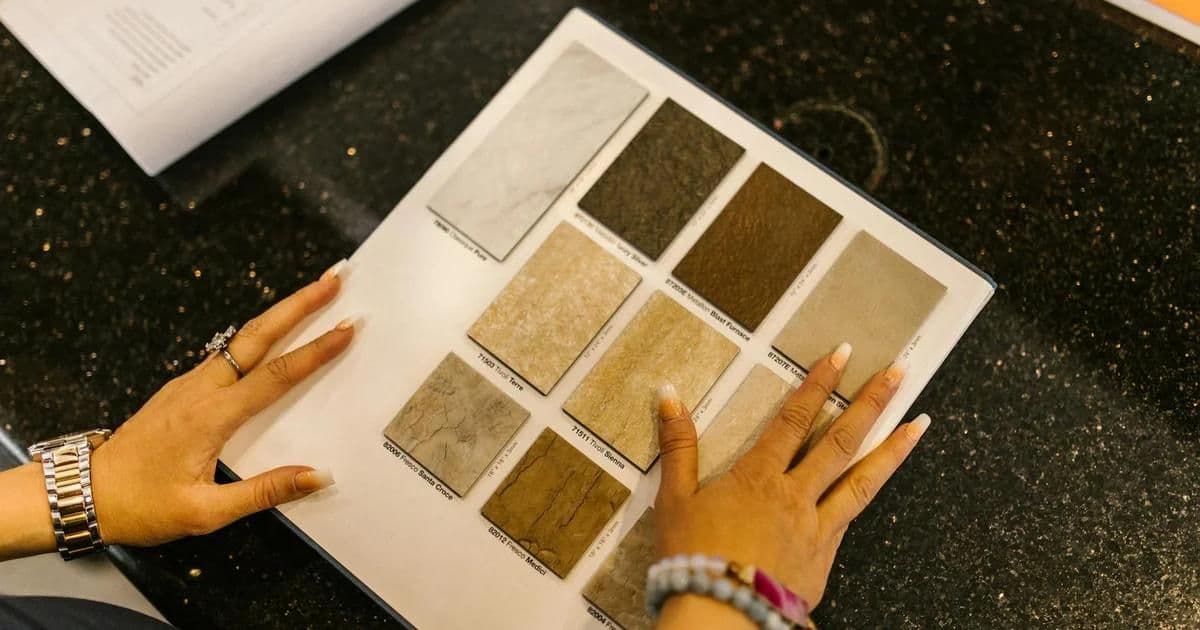
- You're overwhelmed by choices. If you've been staring at tile samples for three weeks, that paralysis has a cost — a designer cuts through it.
- Your budget is significant. The more money on the table, the higher the stakes. A designer protects your investment.
- You need the space to function differently. Open-plan living, a home office, a kitchen that actually works — these require spatial thinking, not just aesthetics. A kitchen is the example we point clients to most: our modern kitchen design ideas walk through the layout and workflow decisions a designer makes on a project like this.
- You don't have time to manage a renovation. Coordinating contractors, chasing deliveries, and making hundreds of micro-decisions is a part-time job. Designers take that off your plate.
You don't need a designer to repaint a room. But the moment a project involves multiple trades, structural changes, or a budget you can't afford to waste — professional guidance pays for itself.
How to Prepare for Your First Meeting
The first meeting sets the tone for the whole project. You don't need a Pinterest board with 400 pins (though a few saved images help). What a designer really needs is clarity on how you live.
Before the meeting, think about:
- How you use each room. Do you cook every night or mostly order in? Does anyone work from home? These details shape everything.
- What frustrates you about your current space. "There's never enough storage" gives a designer more to work with than "I want it to look modern."
- Your non-negotiables. Maybe you need a bathtub, or you refuse to give up your reading nook. Say so upfront.
- Your lifestyle and habits. Pets, entertaining frequency, morning routines — all of it matters.
- Images you're drawn to. Not to copy, but to decode. When you show a designer a photo you love, they're reading the proportions, materials, and light — not the specific sofa.
What to bring: floor plans or measurements if you have them, photos of the existing space, a rough budget range (even if it's broad), and any timeline or deadline. Preparing questions to ask your architect beforehand ensures you cover the essentials.
Honesty is the single most useful thing you can bring. If you hate bold colors, say it. If your partner disagrees on the style direction, mention it. Designers navigate preferences well — but only if they know what those preferences are.
Understanding the Design Process
Every studio works a little differently, but most interior design projects follow a similar arc. Knowing the phases helps you understand why things take the time they do.
1. Discovery and briefing. The designer learns about you, your space, and your goals — sometimes followed by a site visit.
2. Concept development. Mood boards, preliminary layouts, and material palettes. You'll typically see 2-3 directions to react to.
3. Design development. Once you've aligned on a concept, the designer refines everything — detailed floor plans, elevations, lighting layouts, material specs. This is the most labor-intensive phase.
4. Documentation. Technical drawings and specifications for contractors, ensuring the design is built correctly.
5. Procurement. Furniture, materials, and fixtures are ordered. Lead times vary — a custom sofa might take 8-12 weeks.
6. Implementation and site supervision. The designer oversees construction and installation, making sure the finished result matches the design intent. For a deeper look at how these phases connect, see our overview of the architecture and design process.
7. Styling and handover. Final accessories, art placement, and the satisfying moment when everything comes together.
Budget Conversations: How to Have Them Honestly
Budget is where most client-designer relationships get uncomfortable, and it doesn't have to be.
Here's the truth from the designer's side: we'd rather know your real budget than guess at it. When clients understate their budget or refuse to share a number, the designer wastes time on options that don't match what's actually possible.
A few things worth understanding about design budgets:
- The design fee and the project budget are separate. The designer's fee covers their time and expertise. The project budget covers materials, furniture, contractor work, and everything physical. Don't confuse the two.
- Contingency is not optional. Set aside 10-15% of your budget for surprises. In renovation, surprises always happen — hidden plumbing, structural issues behind walls.
- "Affordable" is relative. A good designer works within any budget. What changes is the range of materials and custom elements available, not the quality of the design thinking.
- Phasing is always an option. If the full vision exceeds your current budget, a designer can prioritize what to do now and what to plan for later — far smarter than cutting corners everywhere.
The most productive budget conversation sounds like this: "We have roughly X to spend on everything including furniture. We're flexible on some items but need to stay in that range."
How to Give Feedback That Actually Helps
This is the part most clients struggle with, and it makes the difference between a smooth project and a frustrating one.
Useful feedback focuses on feelings and function, not solutions.
- Instead of: "I don't like that sofa." Try: "That sofa feels too formal — we need something we can flop onto."
- Instead of: "Make the kitchen brighter." Try: "The kitchen feels closed off and dark, especially in the morning."
- Instead of: "I want a different tile." Try: "That tile feels cold to me — I'm drawn to warmer, more textured materials."
When you describe the problem or the feeling, the designer can solve it in ways you might not have imagined. Jumping straight to a solution narrows the possibilities.
Other feedback tips:
- Be specific about what you like, too. "I love the layout but I'm unsure about the wall color" is much more useful than a vague "it's okay."
- Consolidate your thoughts. Rather than sending 15 separate messages over three days, review everything and send organized feedback in one go.
- Include your partner early. Nothing derails a project like a spouse who sees the design for the first time at the final presentation and disagrees with everything.
- Trust the process. Individual elements often look strange in isolation. A fabric swatch that seems odd on its own might be perfect in context. Give the designer a chance to show you the whole picture.
The best client-designer relationships are collaborative. You bring the knowledge of how you live; the designer brings the expertise to make that life beautiful and functional.
Frequently Asked Questions
How much does an interior designer cost? Fees vary by scope and experience. Some designers charge a flat project fee, others bill hourly or by area. Always ask for a clear fee breakdown before committing.
Can I still make decisions if I hire a designer? Absolutely. You make all the final decisions — a designer presents options and explains trade-offs, but the choices are yours. A good designer wants you involved, not sidelined.
What if I don't like what the designer proposes? This happens, and it's completely normal. The concept phase exists precisely for this reason. A strong designer welcomes honest feedback and uses it to refine the direction. If it's consistently off after multiple rounds, it may be a style mismatch — better discovered early.
How long does a typical interior design project take? A single room can be designed in 4-8 weeks. A full apartment renovation typically takes 4-8 months from first meeting to move-in, depending on the scope of construction.
Should I buy furniture before hiring a designer? It's better not to. A common regret is purchasing a large item — a sofa, a dining table — before the design is finalized, only to find it doesn't fit the plan. If you already own pieces you love, tell your designer upfront so they can work around them.
Do I need to be present during the renovation? Not constantly. Your designer handles day-to-day site supervision. You'll be needed for key decisions and periodic walkthroughs, but the point of hiring a designer is that you don't have to manage it yourself. If you're managing a project from abroad, our guide to remote interior design in Turkey explains how that works in practice.
Bize Ulaşın
Projenizi Hayata Geçirelim
Yeni bir proje mi planlıyorsunuz? Vizyonunuzu birlikte gerçekleştirelim.